
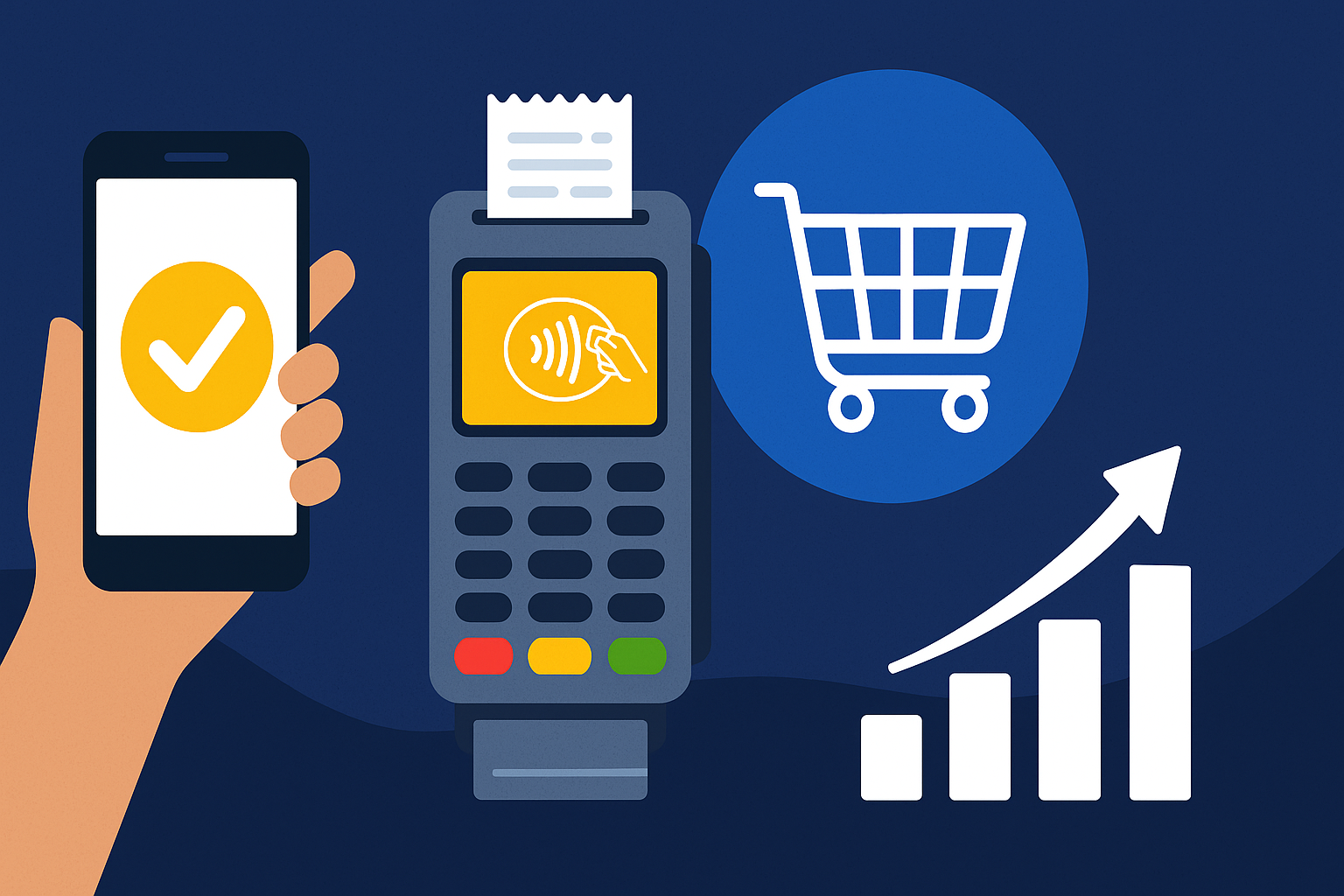
As e-commerce continues to grow, businesses must not only provide seamless payment experiences but also comply with local tax regulations. In Ukraine, many businesses accepting online payments are required to issue fiscal receipts using a traditional Cash Register (RRO) or a Software Cash Register (PRRO).
Integrating fiscalization directly into the payment process helps merchants stay compliant, reduce manual work, and improve operational efficiency. In this guide, we’ll explain the basics of fiscalization, why it matters, and how automated payment solutions simplify compliance.
What Are RRO and PRRO?
A Cash Register (RRO) is a certified device used to record sales and issue fiscal receipts.
A Software Cash Register (PRRO) performs the same function but operates through software instead of dedicated hardware, making it a flexible and cost-effective solution for modern businesses.
Both systems are designed to ensure that transactions are properly recorded and reported to the tax authorities.
Why Fiscalization Matters
Fiscal receipts are an important part of transparent business operations.

Proper fiscalization helps businesses:
- Comply with Ukrainian tax regulations
- Reduce the risk of penalties
- Maintain accurate accounting records
- Simplify audits
- Improve customer confidence through official receipts
For many online merchants, integrating fiscalization into the payment workflow has become an essential business requirement.
Challenges of Manual Receipt Processing
Without automation, businesses often face several operational challenges.
These include:
- Manually creating receipts after payment
- Delays in receipt issuance
- Increased risk of human error
- Duplicate data entry
- Difficulty managing large transaction volumes
As sales grow, manual processes quickly become inefficient.
Benefits of Automated Fiscalization
Automating receipt generation offers significant advantages.
Faster Operations
Receipts are created automatically immediately after successful payment confirmation.
Improved Accuracy
Automation reduces errors caused by manual data entry.
Better Customer Experience
Customers receive fiscal receipts promptly, increasing transparency and trust.
Simplified Accounting
Payment data and fiscal records remain synchronized, making reconciliation much easier.
Scalability
Automated systems can process thousands of transactions without increasing administrative workload.

How Fiscalization Integrates with Online Payments
Modern payment platforms can automatically connect payment processing with fiscal receipt generation.
The process typically follows these steps:
- The customer completes an online payment.
- The payment is successfully authorized.
- Transaction information is securely transmitted to the fiscalization system.
- A fiscal receipt is generated automatically.
- The receipt is delivered to the customer electronically.
- Transaction records are stored for reporting and accounting purposes.
This seamless workflow minimizes delays while ensuring regulatory compliance.
Why Software Cash Registers Are Becoming More Popular
Many businesses are choosing PRRO solutions over traditional hardware.
Software-based fiscalization offers:
- Lower implementation costs
- Remote access
- Easy software updates
- Cloud integration
- Faster deployment
- Better compatibility with e-commerce platforms
These advantages make PRRO particularly attractive for online businesses and rapidly growing merchants.
Choosing the Right Payment Solution
When evaluating a payment provider, businesses should consider whether the platform supports:
- Automated fiscal receipt generation
- PRRO integration
- API connectivity
- E-commerce platform compatibility
- Transaction reporting
- Secure payment processing
A fully integrated solution reduces complexity while supporting business growth.
Preparing Your Business for Compliance
Regulatory requirements continue to evolve, making automation increasingly valuable.
Businesses should:
- Review their fiscal obligations regularly.
- Ensure payment systems support local compliance.
- Automate repetitive accounting processes.
- Maintain accurate transaction records.
- Choose scalable technology that can adapt to future requirements.
Investing in integrated payment infrastructure today can reduce operational risks and save valuable time in the future.
How Red-E-Pay Simplifies Fiscalization
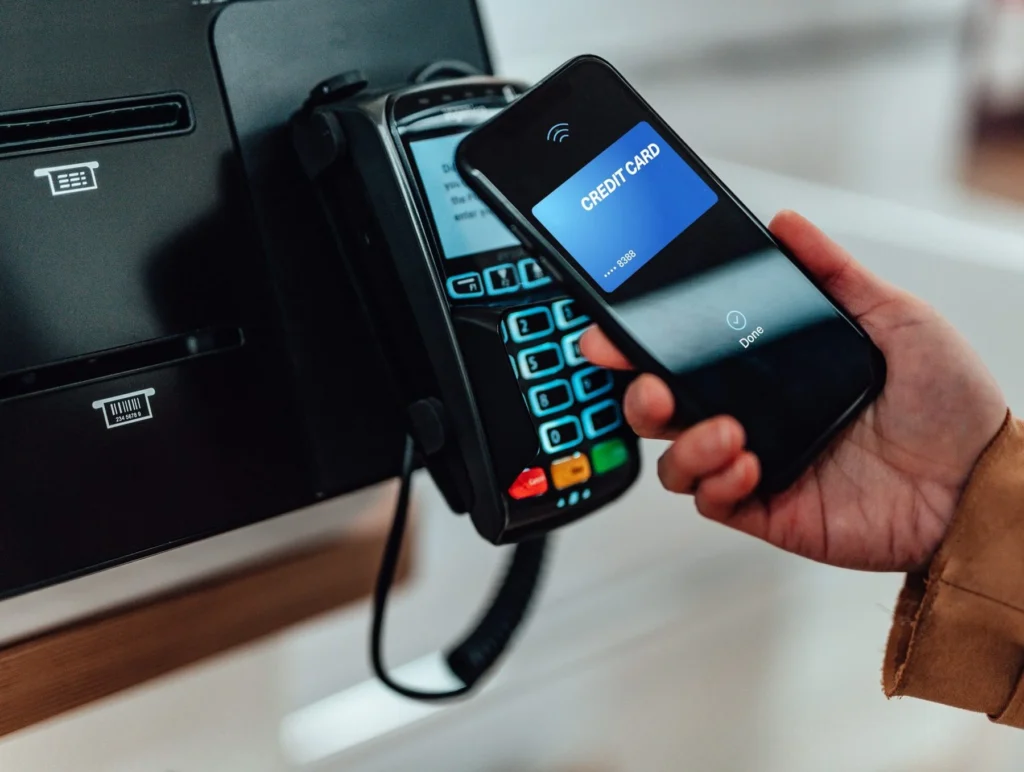
Red-E-Pay helps businesses streamline compliance by integrating fiscalization directly into the payment process. The platform offers ready-to-use industry solutions and plugins that automate receipt generation immediately after successful transactions.
Its built-in receipt service eliminates manual processing, reduces administrative workload, and ensures customers receive electronic fiscal receipts quickly and accurately. Businesses can integrate payment processing and fiscalization into a single workflow, simplifying accounting and improving operational efficiency.
Whether you’re running an online store, a service platform, or a growing digital business, Red-E-Pay provides the tools needed to combine secure payments with automated fiscal compliance, allowing you to focus on growing your business while meeting regulatory requirements.