

The global e-commerce market continues to evolve at an unprecedented pace. Consumer expectations are changing, payment technologies are becoming more sophisticated, and businesses are expected to deliver seamless digital experiences across every touchpoint. Companies that adapt to these changes early will be better positioned to increase customer loyalty, improve conversion rates, and remain competitive in both domestic and international markets.
In this article, we’ll explore the most important e-commerce trends shaping the future of digital commerce and how modern payment solutions can help businesses stay ahead.
1. Frictionless Payment Experiences Become the Standard
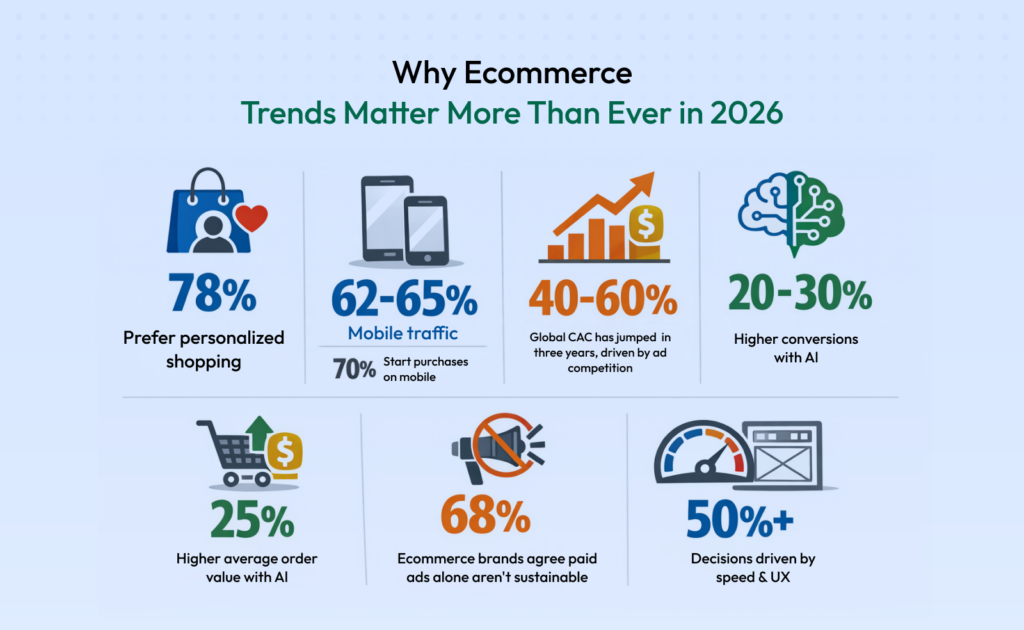
Today’s consumers expect checkout to be fast, intuitive, and secure. Every additional step during payment increases the likelihood of cart abandonment. Research consistently shows that customers prefer merchants offering simplified payment flows, digital wallets, and one-click purchasing options.
Businesses are focusing on:
- Reducing the number of checkout fields
- Supporting multiple payment methods
- Offering guest checkout
- Optimizing payment pages for mobile devices
- Implementing instant payment confirmations
The smoother the payment process, the higher the conversion rate.
2. Contactless and Digital Payments Continue to Grow
Cashless payments are no longer a convenience—they have become an expectation. Consumers increasingly rely on smartphones, smartwatches, and digital wallets instead of physical cards.
Popular payment methods include:
- Apple Pay
- Google Pay
- Digital wallets
- QR-code payments
- Tokenized card payments
Businesses that support modern payment technologies create a more convenient customer experience while reducing payment friction.
3. Mobile Commerce Dominates Online Shopping
More than half of online purchases now originate from mobile devices. Customers browse products, compare prices, and complete purchases directly from smartphones.
To remain competitive, businesses should ensure:
- Responsive website design
- Mobile-optimized checkout
- Fast page loading
- Mobile-friendly payment forms
- Secure authentication with minimal interruption
A mobile-first strategy is no longer optional—it is essential for sustainable growth.
4. Artificial Intelligence Improves Customer Experience
Artificial intelligence has become one of the biggest drivers of digital commerce innovation.
AI helps businesses by:
- Personalizing product recommendations
- Detecting fraudulent transactions
- Predicting customer behavior
- Automating customer support
- Optimizing pricing strategies
These technologies improve both operational efficiency and customer satisfaction.
5. Security Is a Competitive Advantage
Customers are increasingly aware of cybersecurity risks. They want assurance that their payment information is protected.
Modern payment platforms invest heavily in:
- Tokenization
- Multi-factor authentication
- Real-time fraud monitoring
- PCI DSS compliance
- Intelligent risk scoring
Strong security measures not only protect transactions but also build long-term trust with customers.
6. Omnichannel Commerce Continues to Expand
Consumers expect a consistent shopping experience regardless of whether they purchase through a website, mobile app, social media platform, or physical store.
Successful businesses integrate their payment infrastructure across every sales channel, allowing customers to start and complete purchases wherever they choose.
Unified payment ecosystems also simplify financial reporting and inventory management.
7. Data-Driven Decision Making
Modern businesses increasingly rely on payment analytics to understand customer behavior.
Transaction data can reveal:
- Best-selling products
- Peak purchasing periods
- Customer lifetime value
- Geographic purchasing trends
- Payment method preferences
These insights enable smarter marketing decisions and better business planning.
Preparing for the Future of Digital Commerce
The pace of innovation in e-commerce will continue to accelerate. Companies that invest in modern payment infrastructure today will be better equipped to meet tomorrow’s customer expectations.
Flexible payment systems, strong security, mobile optimization, and intelligent analytics are no longer optional features—they are fundamental components of successful online businesses.

How RedCard Helps Businesses Meet Global Standards
As digital commerce continues to evolve, businesses need payment solutions that combine speed, security, and scalability. RedCard provides a comprehensive ecosystem designed to support modern online businesses with reliable payment technologies that align with international best practices.
Through Red-E-Pay, merchants can offer fast, user-friendly checkout experiences while supporting multiple payment methods and maintaining high security standards. The platform helps businesses reduce payment friction, improve conversion rates, and deliver the seamless purchasing experience customers expect.
Whether serving local markets or expanding internationally, RedCard equips Ukrainian businesses with the payment infrastructure needed to compete confidently in the global digital economy.