

In today’s competitive business environment, processing payments is only part of the equation. To grow sustainably, companies need to understand where their revenue comes from, how customers pay, and which financial trends influence performance. This is where transaction analytics becomes a powerful business tool.
Modern payment platforms provide far more than payment processing—they deliver real-time insights that help businesses make informed decisions, optimize operations, and identify new growth opportunities.
Why Transaction Analytics Matters
Every payment contains valuable data. When collected and analyzed effectively, transaction information can reveal patterns that improve business performance.
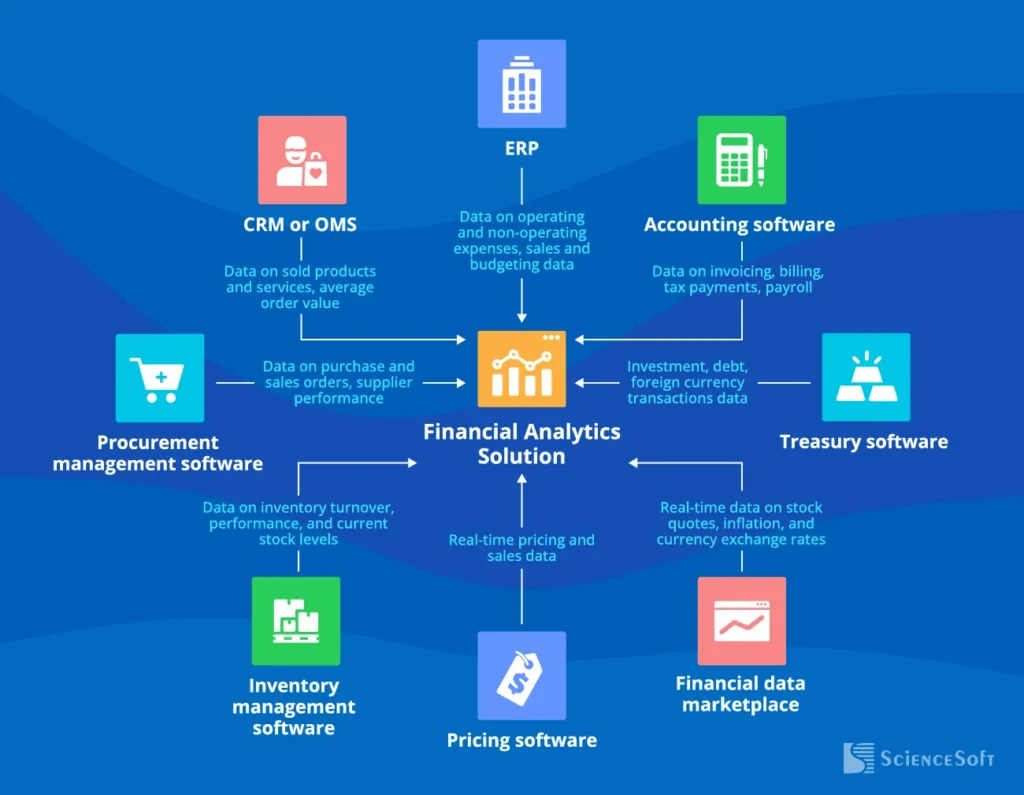
Transaction analytics helps businesses:
- Monitor revenue in real time
- Identify sales trends
- Measure business performance
- Detect unusual activity
- Improve cash flow planning
- Support strategic decision-making
Instead of relying on assumptions, businesses can make decisions based on accurate financial data.
Gain Complete Visibility into Your Revenue
Understanding where revenue comes from is essential for long-term growth.
Analytics dashboards allow businesses to monitor:
- Daily, weekly, and monthly sales
- Revenue by product or service
- Payment success rates
- Average transaction value
- Customer purchasing frequency
- Refunds and chargebacks
This visibility helps identify both strengths and areas for improvement.
Improve Cash Flow Management
Cash flow is one of the most important indicators of business health.
Transaction analytics enables businesses to:
- Forecast incoming revenue
- Track payment settlements
- Identify seasonal fluctuations
- Monitor outstanding balances
- Anticipate cash shortages
With better financial visibility, businesses can plan investments, manage expenses, and avoid unnecessary liquidity issues.
Identify Customer Payment Preferences
Understanding how customers prefer to pay can improve both conversion rates and customer satisfaction.
Analytics can reveal:
- Most popular payment methods
- Mobile versus desktop purchases
- Geographic payment trends
- Peak purchasing hours
- Customer retention patterns
Businesses can use this information to optimize the checkout experience and introduce payment options that customers value most.
Detect Business Trends Early
Financial analytics is not only about reporting—it also helps identify opportunities before competitors do.
Businesses can recognize:
- Rapidly growing product categories
- Declining sales trends
- Seasonal demand changes
- High-performing marketing campaigns
- Customer behavior shifts
Early insights allow companies to react faster and allocate resources more effectively.
Reduce Financial Risks
Monitoring transaction activity can also strengthen risk management.
Analytics tools help identify:
- Unexpected payment declines
- Fraud indicators
- Chargeback trends
- Refund patterns
- Operational anomalies
By identifying issues early, businesses can minimize financial losses and improve operational efficiency.
Automate Financial Reporting
Manual reporting often consumes valuable time and increases the risk of errors.
Modern analytics platforms automate the creation of reports such as:
- Revenue summaries
- Sales performance reports
- Settlement reports
- Transaction history
- Customer payment activity
- Financial exports for accounting
Automation allows finance teams to focus on strategic analysis instead of repetitive administrative tasks.
Use Data to Support Business Growth
As businesses expand, financial complexity increases.
A centralized analytics platform helps organizations:
- Compare performance across locations
- Monitor multiple business units
- Evaluate product profitability
- Measure return on investment
- Track long-term financial performance
Reliable data enables confident decision-making at every stage of business growth.
Key Metrics Every Business Should Monitor
To build a strong financial strategy, businesses should regularly track:
- Total revenue
- Net sales
- Transaction volume
- Average order value
- Payment success rate
- Customer lifetime value
- Chargeback ratio
- Refund rate
- Cash flow trends
- Revenue growth over time
Monitoring these indicators provides a comprehensive view of business performance and highlights opportunities for continuous improvement.
How RedCard Helps Businesses Turn Data into Decisions
RedCard provides corporate clients with a comprehensive analytics dashboard that transforms payment data into actionable business insights. Through a centralized interface, businesses can monitor transaction activity in real time, generate detailed financial reports, and track key performance indicators from a single location.
The dashboard offers clear visibility into revenue trends, payment volumes, customer activity, and settlement data, helping decision-makers quickly identify opportunities and respond to changes in business performance. Automated reporting and intuitive visualizations reduce administrative effort while improving financial planning and operational control.

By combining secure payment processing with powerful analytics, RedCard enables businesses to make data-driven decisions, optimize financial management, and scale with greater confidence in an increasingly digital economy.