

As digital payments continue to grow, so does the sophistication of online fraud. Cybercriminals constantly develop new techniques to exploit stolen payment credentials, compromised accounts, and vulnerabilities in online transactions. For businesses, fraud not only leads to financial losses but can also damage customer trust and increase chargeback rates.
Modern fraud prevention systems use artificial intelligence (AI), machine learning, and real-time risk analysis to detect suspicious activity before a transaction is completed. These technologies help businesses protect revenue while maintaining a smooth experience for legitimate customers.
Why Payment Fraud Is a Growing Challenge
Fraudsters use a wide range of techniques to target online merchants, including:
- Stolen credit or debit card details
- Account takeover attacks
- Identity theft
- Card testing using small transactions
- Phishing and social engineering
- Synthetic identities
- Automated bot attacks
Traditional rule-based fraud detection is no longer sufficient to combat these increasingly sophisticated threats.

How Modern Fraud Detection Systems Work
Advanced fraud prevention platforms analyze every transaction in real time before it is approved.
Instead of relying on a single indicator, they evaluate hundreds of variables simultaneously, including:
- Customer location
- Device fingerprint
- IP address
- Transaction amount
- Purchase frequency
- Shopping behavior
- Merchant category
- Payment history
- Velocity of recent transactions
This comprehensive analysis allows the system to identify suspicious patterns that may indicate fraud.
The Role of Artificial Intelligence
Artificial intelligence enables fraud detection systems to continuously improve over time.
Machine learning models can:
- Recognize unusual purchasing behavior
- Identify new fraud patterns
- Adapt to emerging attack methods
- Reduce false positives
- Improve risk assessment accuracy
Unlike static security rules, AI becomes more effective as it processes larger volumes of transaction data.
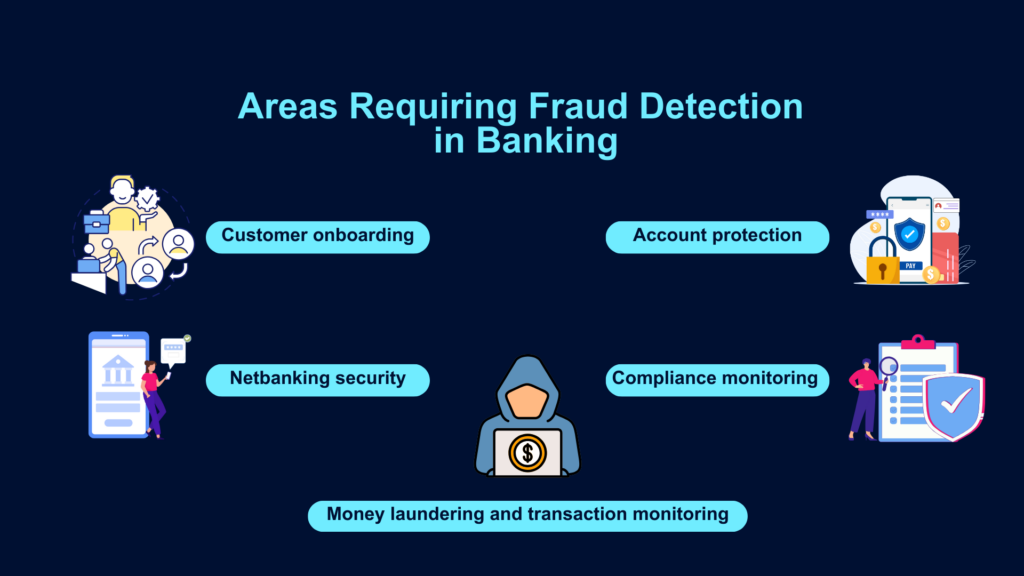
Risk Scoring Explained
Every transaction receives a risk score based on multiple behavioral and technical indicators.
Low-risk transactions are typically approved immediately, ensuring a seamless customer experience.
Medium-risk transactions may require additional verification, such as:
- One-time passwords (OTP)
- Biometric authentication
- 3D Secure 2.0 verification
High-risk transactions can be automatically declined or flagged for manual review before payment is completed.
This risk-based approach balances security with customer convenience.
Real-Time Fraud Prevention
Speed is critical in fraud prevention.
Modern systems evaluate transactions within milliseconds, allowing businesses to stop fraudulent payments before funds are authorized.
Real-time monitoring helps prevent:
- Card testing attacks
- Large-scale fraud campaigns
- Multiple rapid purchase attempts
- Cross-border fraud
- Account compromise
Immediate detection minimizes financial losses and operational disruption.
Reducing False Positives
An effective fraud detection system must distinguish between genuine customers and fraudulent activity.
Excessive declines can frustrate legitimate buyers and reduce sales.
Advanced AI models improve decision-making by:
- Learning normal customer behavior
- Recognizing trusted devices
- Considering purchase history
- Evaluating contextual transaction data
The result is stronger protection without creating unnecessary friction during checkout.
Building a Multi-Layered Security Strategy
Fraud prevention works best when multiple security technologies operate together.
A comprehensive payment security strategy may include:
- AI-powered fraud detection
- 3D Secure 2.0 authentication
- Tokenization
- Device fingerprinting
- Behavioral analytics
- Velocity monitoring
- Real-time transaction monitoring
Each layer strengthens overall protection while maintaining a smooth payment experience.
Why Fraud Prevention Is a Business Investment
Effective fraud management delivers benefits beyond security.
Businesses can:
- Reduce financial losses
- Lower chargeback rates
- Increase payment approval rates
- Protect brand reputation
- Build long-term customer trust
- Improve operational efficiency
Investing in intelligent fraud prevention helps create a safer and more reliable payment environment for both merchants and customers.
How Red-E-Pay Protects Businesses with Built-In Fraud Detection
Red-E-Pay includes an advanced fraud prevention module designed to identify suspicious transactions in real time. By combining artificial intelligence, behavioral analysis, and intelligent risk scoring, the platform continuously evaluates payment activity before authorization.
Its built-in fraud detection engine helps merchants identify unusual transaction patterns, prevent unauthorized payments, and reduce chargeback risks without disrupting legitimate customer purchases. Automated monitoring operates around the clock, enabling businesses to respond quickly to emerging threats while maintaining high payment approval rates.
With Red-E-Pay’s integrated fraud protection, businesses can confidently process online payments knowing that every transaction is supported by modern security technologies designed to keep both merchants and customers safe.